






3D Printing for Railway Transport: Spare Parts, Prototypes, and Maintenance Components
Protype CD400HT / CD400 + FILOPA-CFPA6PC-ABSPEEK
Why the Railway Sector Is Adopting Additive Manufacturing
Railway transport is an industry characterized by exceptionally long rolling stock life cycles. Passenger coaches, freight wagons, and locomotives typically operate for 25-40 years, and in some cases considerably longer. Over that period, original equipment manufacturers discontinue components, supply chains shift, and the demand for spare parts persists.
The traditional approach to sourcing unavailable components -- custom CNC machining or casting -- involves high per-unit costs for one-off parts and extended lead times. For polymer interior elements, duct sections, cable channels, and auxiliary brackets, this path is frequently not economically viable.
Industrial 3D printing with engineering-grade polymers enables consideration of an alternative approach. A digital model of the part is sent directly to the printer, without intermediate tooling or lengthy production preparation. This can significantly shorten the path from requirement to finished component -- particularly for one-off items, small batches, and parts for legacy rolling stock.
For railway operators globally, the challenge of obsolete components is acute. Aging fleets often depend on parts from manufacturers that no longer exist, making localized on-demand manufacturing an increasingly relevant capability.
Typical Applications Addressed by 3D Printing
Spare parts for legacy rolling stock. Plastic interior components, covers, housings, guide rails -- parts whose originals are no longer in production. Reverse-engineered from 3D scans or technical drawings, printed in PA-CF or PC-ABS.
Interior element prototypes. Cladding panels, ceiling components, decorative trims -- verifying geometry, fit, and appearance before committing to series production tooling.
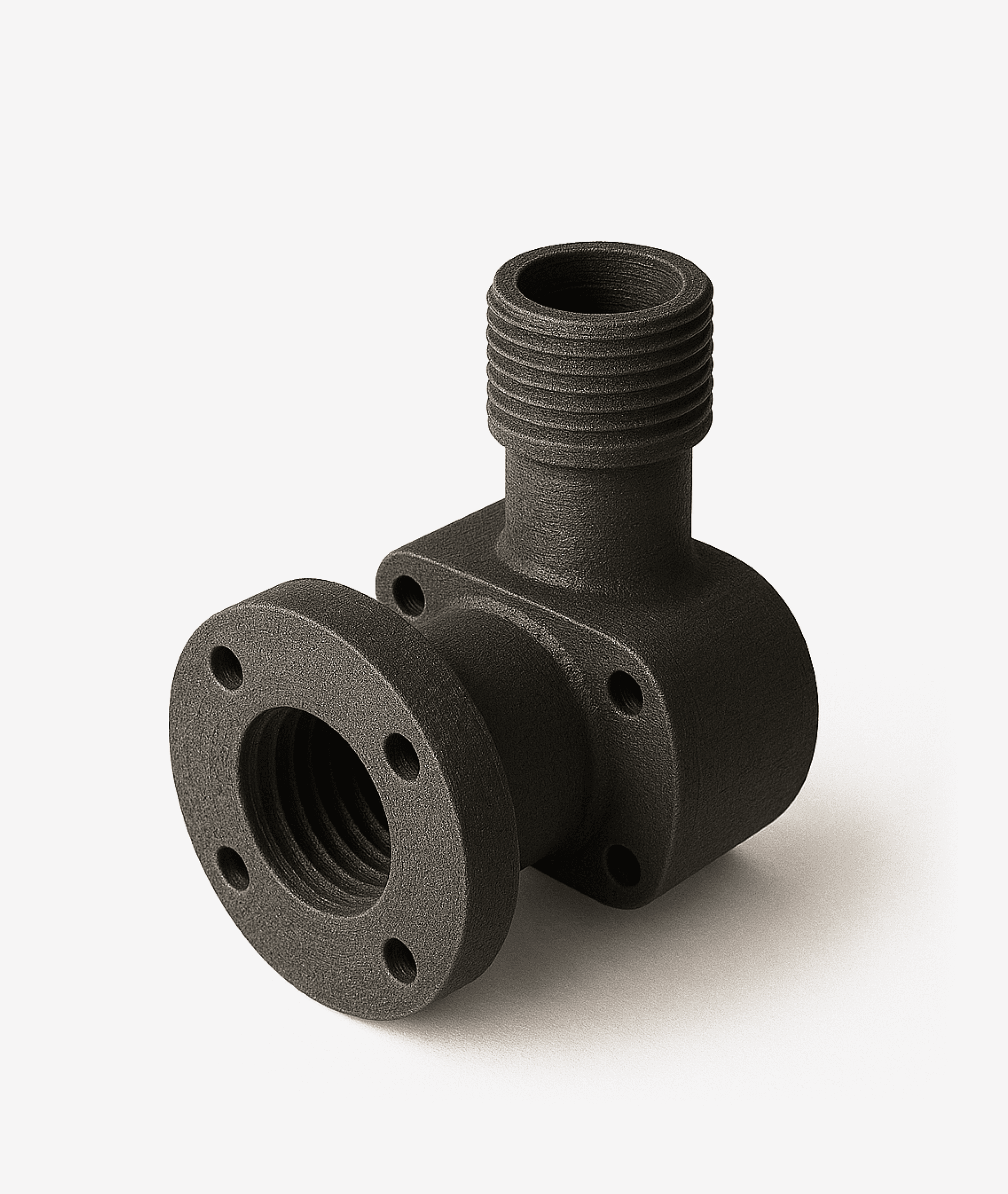
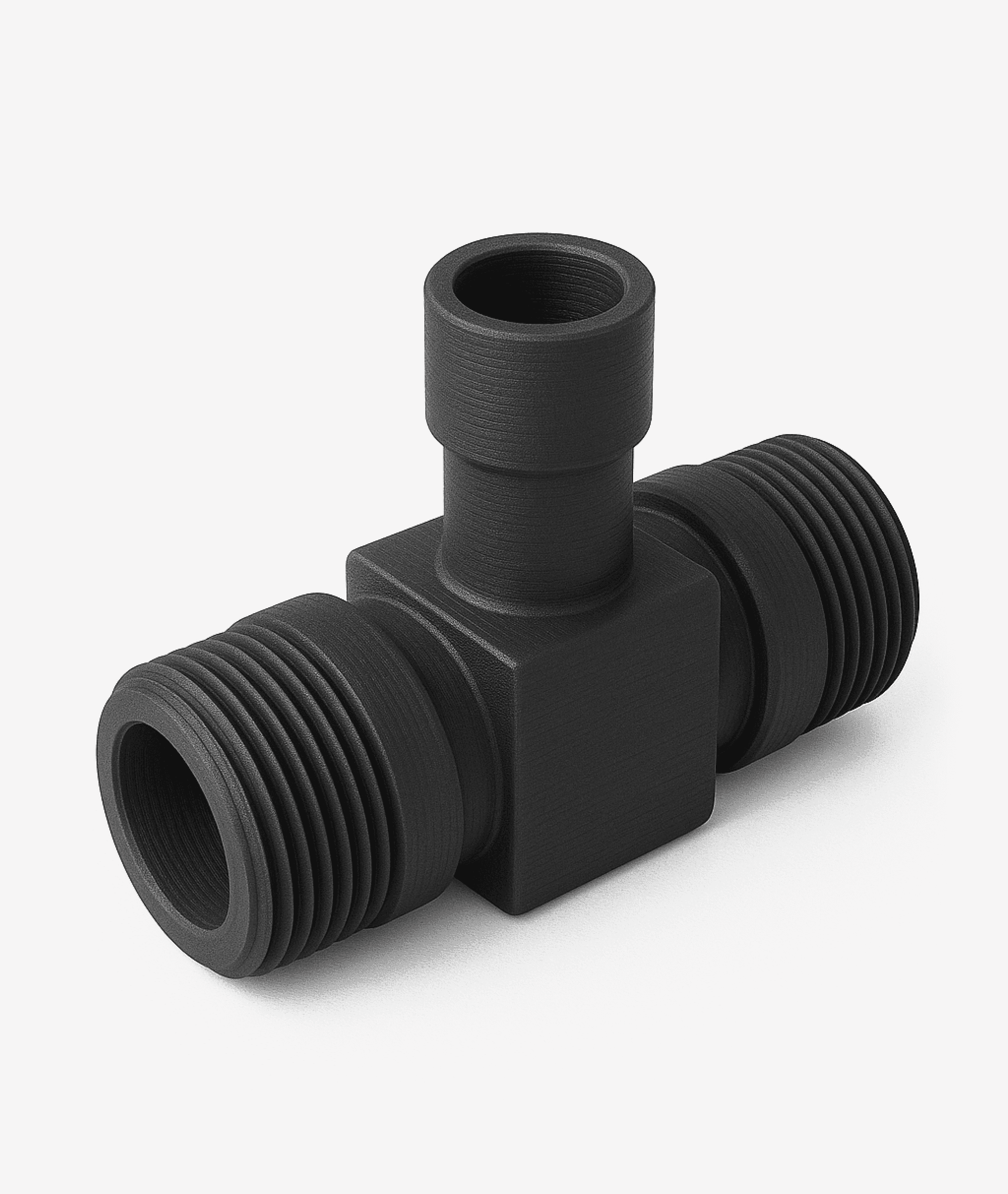
Ductwork components. HVAC system elements: adapters, grilles, flanges. Printing allows geometry to be adapted to specific installation constraints.
Cable channels and retainers. Cable routing elements, mounting clips, harness guides -- components frequently required in non-standard configurations during fleet modernization.
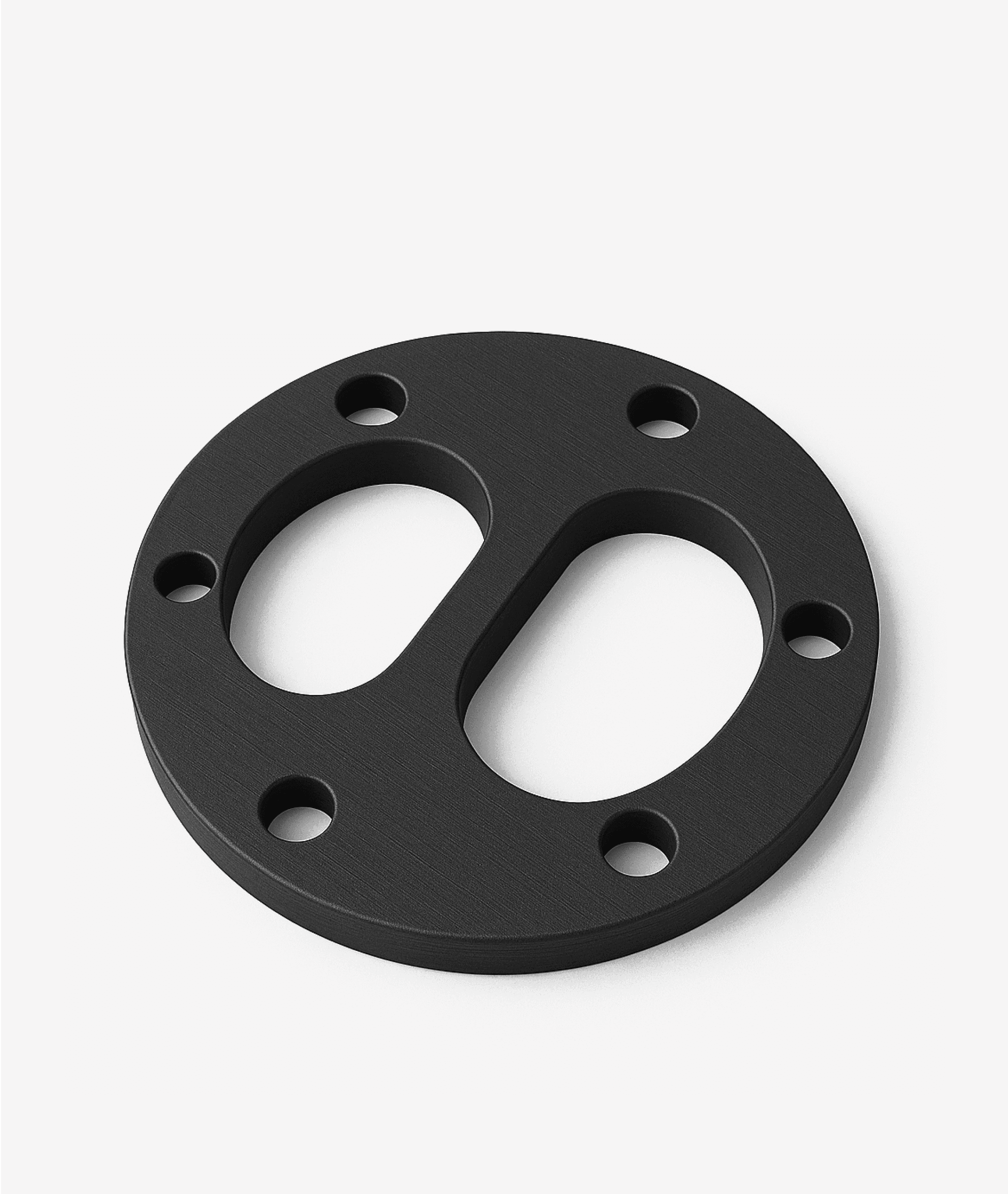
Brackets and mounting elements. Equipment mounts for maintenance operations, installation elements for modernization, adapter plates.
Ventilation grilles. Replacement of damaged or missing grilles for passenger compartments and technical bays, including non-standard dimensions.
Seat component prototypes. Verifying ergonomics and dimensional fit of passenger seat elements before production launch.
When 3D printing is particularly valuable in railway operations
The original part has been discontinued and the supplier no longer exists
A single replacement or small batch of polymer components is required
A rolling stock modernization project requires non-standard transition elements
Rapid geometry verification of an interior element is needed before series production
A repair cannot wait for standard supply lead times of weeks or months
Application Scenarios in Railway Operations
01
Spare parts for legacy rolling stock
A plastic interior cladding panel in a coach is damaged, and the original manufacturer ceased production over a decade ago. The part is scanned or modeled from measurements and printed in PA-CF on the CD400HT. The high-temperature chamber (up to 150 degrees C) ensures geometric stability and minimal warping during cooldown. The digital model is archived for future reproduction -- the physical warehouse is replaced by a digital parts library.
02
Interior element prototyping
During a passenger coach modernization, new ceiling panels and duct sections are being developed. Before ordering injection mold tooling, the team needs to verify fits, joints, and overall layout. Full-scale prototypes are printed in PA6 or PC-ABS and trial-fitted in the coach. Over one week, 2-3 iterations are completed -- each of which would typically require a month through conventional methods. This can help identify design errors before investing in series tooling.
03
Maintenance depot tooling and jigs
A maintenance facility services multiple types of rolling stock. Each type requires its own set of locating jigs, assembly templates, and protective shields for welding operations. Printing from PA-CF or PC-ABS enables rapid fabrication of specialized tooling without outsourcing CNC machining. When a design changes, the CAD model is updated and reprinted.
04
Low-volume functional components
A facility requires 30 non-standard cable guides for an electrical system modernization across multiple coaches. An injection mold is not economically justified at this volume. Printing from PA-CF on the CD400HT in Copy mode (IDEX -- two independent extruders) allows two parts to be produced simultaneously, reducing order completion time. Brackets, guides, and retainers -- the same approach is applicable across a wide range of low-volume components.
Want to evaluate whether 3D printing suits your railway maintenance or manufacturing requirements?
Reduced repair lead times. Sourcing an unavailable spare part through traditional channels can take weeks or months. Localized 3D printing enables consideration of fabricating certain polymer components in hours -- provided a digital model is available.
Minimized rolling stock downtime. When a vehicle sits idle awaiting components, the operator incurs direct costs. On-demand printing can help reduce downtime, particularly for components that do not require regulatory certification.
Digital inventory instead of physical warehousing. Storing hundreds of plastic part SKUs in a warehouse ties up capital and generates logistics overhead. Maintaining a digital model library and printing as needed is an approach that can help optimize inventory management.
High-temperature materials for transport applications. The railway sector imposes elevated requirements for fire resistance and thermal stability. The CD400HT with its chamber up to 150 degrees C supports PA-CF, PC-ABS, and PEEK -- materials that typically demonstrate higher thermal resistance and mechanical performance compared to commodity plastics.
Flexibility during modernization. Rolling stock refurbishment often requires non-standard transition elements, adapters, and brackets. 3D printing removes certain constraints: instead of adapting standard parts, components are manufactured precisely to the specific installation requirements.
3D Printing and Artificial Intelligence: Applications in the Railway Sector
The combination of additive technologies with AI tools opens additional possibilities for railway operators and manufacturers. Several approaches are already finding practical application.
Predictive maintenance of rolling stock. Neural network models trained on component failure and wear data can help forecast which parts will require replacement in the near term. This enables consideration of printing spare parts proactively -- before an actual failure occurs, rather than reactively.
Automated part identification from 3D scans. For legacy rolling stock, documentation is often incomplete or unavailable. Geometry recognition algorithms can help automate the process: a 3D scan of a damaged part is processed, the component type is identified, and a CAD model for printing is generated from a parts database.
Weight optimization through topology analysis. AI-based topology optimization algorithms can propose part geometries optimized for the strength-to-weight ratio. In railway transport, reducing vehicle mass translates to energy savings -- a factor that can be significant when operating large fleets.
Print quality monitoring. Machine vision systems can help detect print defects (delamination, warping, under-extrusion) during fabrication. This is particularly important for functional parts, where quality directly affects operational reliability.
Print parameter optimization. Machine learning algorithms can identify optimal parameters (temperature, speed, orientation, support structure) for a given material and geometry, reducing the number of test prints and material consumption.
Why Protype CD400HT for the Railway Sector
High-temperature chamber. An active heated chamber up to 150 degrees C with uniformity of delta T < 1 degrees C is a key requirement for working with heat-resistant materials. PA-CF, PC-ABS, and PEEK require controlled thermal conditions to achieve consistent mechanical properties and minimal warping.
Engineering materials without restrictions. Open material architecture -- no vendor lock-in. The CD400HT supports PA-CF, PA6, PC-ABS, PEEK, PEKK, ULTEM 9085/1010, and other materials. Integrated drying chambers (2x up to 130 degrees C) keep moisture-sensitive polymers in optimal condition -- critical for PA-CF and PEEK.
Large-format parts. A build volume of 350x350x400 mm allows printing panels, duct sections, and other substantial components without sectioning. For transport parts where structural integrity matters, this can be a determining factor.
Production-grade autonomy. IDEX -- two independent extruders. Copy and Mirror modes double output per shift for batch jobs. Automatic filament feed (4x 3 kg spools) supports extended unattended operation. Automatic bed leveling and nozzle cleaning enable the printer to operate with minimal operator involvement.
Precision for functional parts. XY positioning accuracy of 5 microns / Z of 2 microns. Layer thickness from 0.05 to 0.75 mm, nozzles from 0.3 to 1.2 mm. Print speed up to 300 mm/s. One printer for precise prototypes and rapid printing of large parts.
CD400 vs. CD400HT Comparison for Railway Applications
Parameter
CD400
CD400HT
Build volume
400x400x400 mm
350x350x400 mm
Chamber temperature
Up to 90 °C
Up to 150 °C (ΔT < 1 °C)
Bed temperature
Up to 150 °C
Up to 250 °C
Hotend temperature
Up to 550 °C
Up to 550 °C
Drying chambers
2x up to 80 °C
2x up to 130 °C
Key materials
ABS, PET-G, PA-CF, PC-ABS, TPU
PA-CF, PA6, PC-ABS, PEEK + all CD400 materials
Recommended for
Prototypes, auxiliary tooling
Functional parts, heat-resistant components
Warranty
12 months
12 months
Try & Buy: 3-month evaluation program
Protype offers a Try & Buy program: use the printer at your depot or manufacturing facility for 3 months, and if you purchase, 100% of the rental cost is credited toward the purchase price. Minimal risk -- maximum opportunity to evaluate the impact on your actual maintenance and production tasks.
Frequently Asked Questions
Ready to evaluate how 3D printing fits your railway maintenance and manufacturing operations?
You can also take advantage of the Try & Buy program: 3 months of on-site evaluation with 100% of rental costs credited toward purchase.
We integrate Protype into production cycles across industries—from Education to Aerospace
Where Protype printers already work
01
Mechanical engineering
Applications
Jigs, gearboxes, brackets.
Why it's worth it
Tooling in hours, not weeks. Small-batch costs drop 5–10x while accuracy stays the same.
02
Architecture
Applications
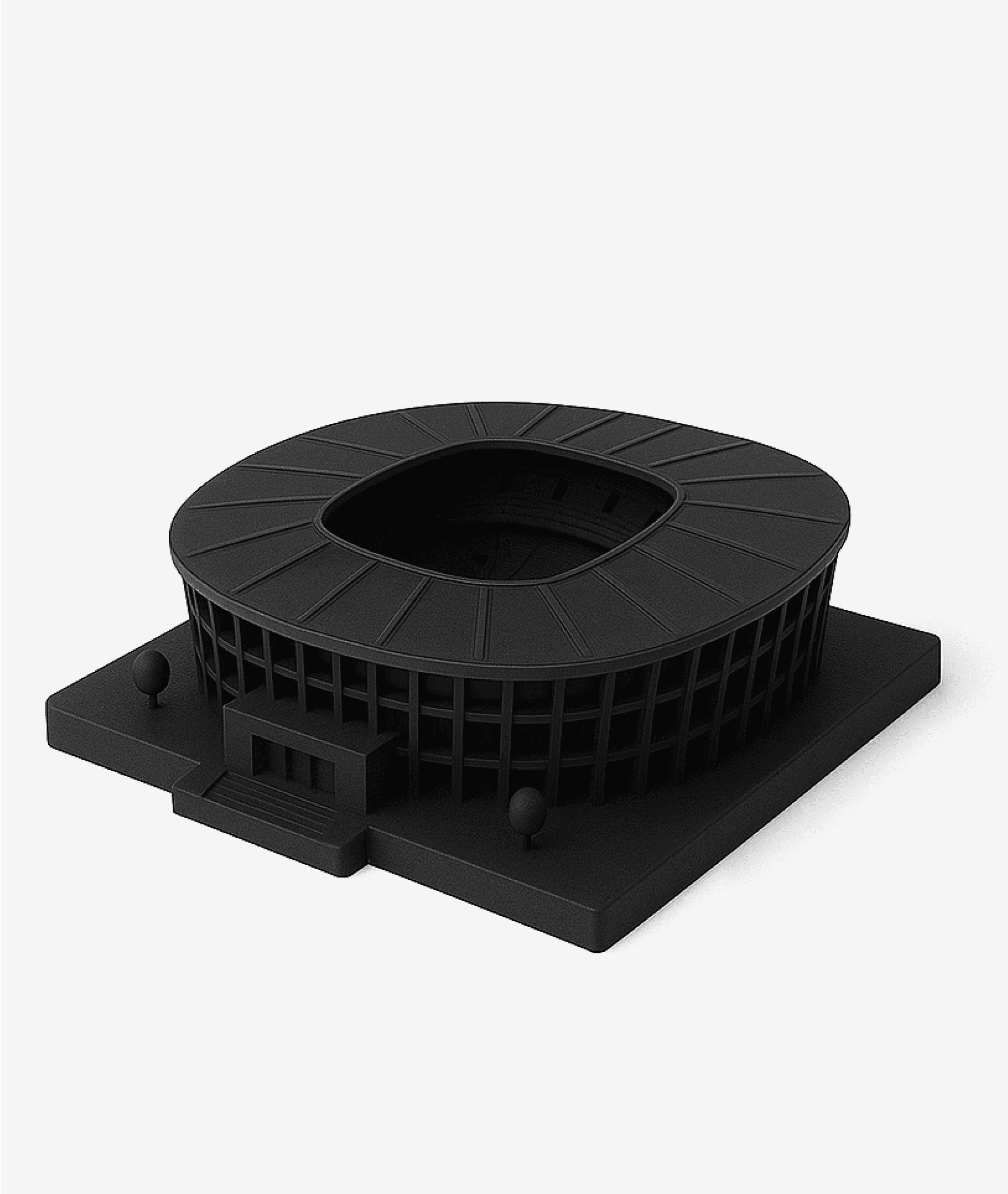
Building models, facades, landscapes.
Why it's worth it
Clients see a physical model before ground is broken — approvals happen faster.
03
Medical
Applications
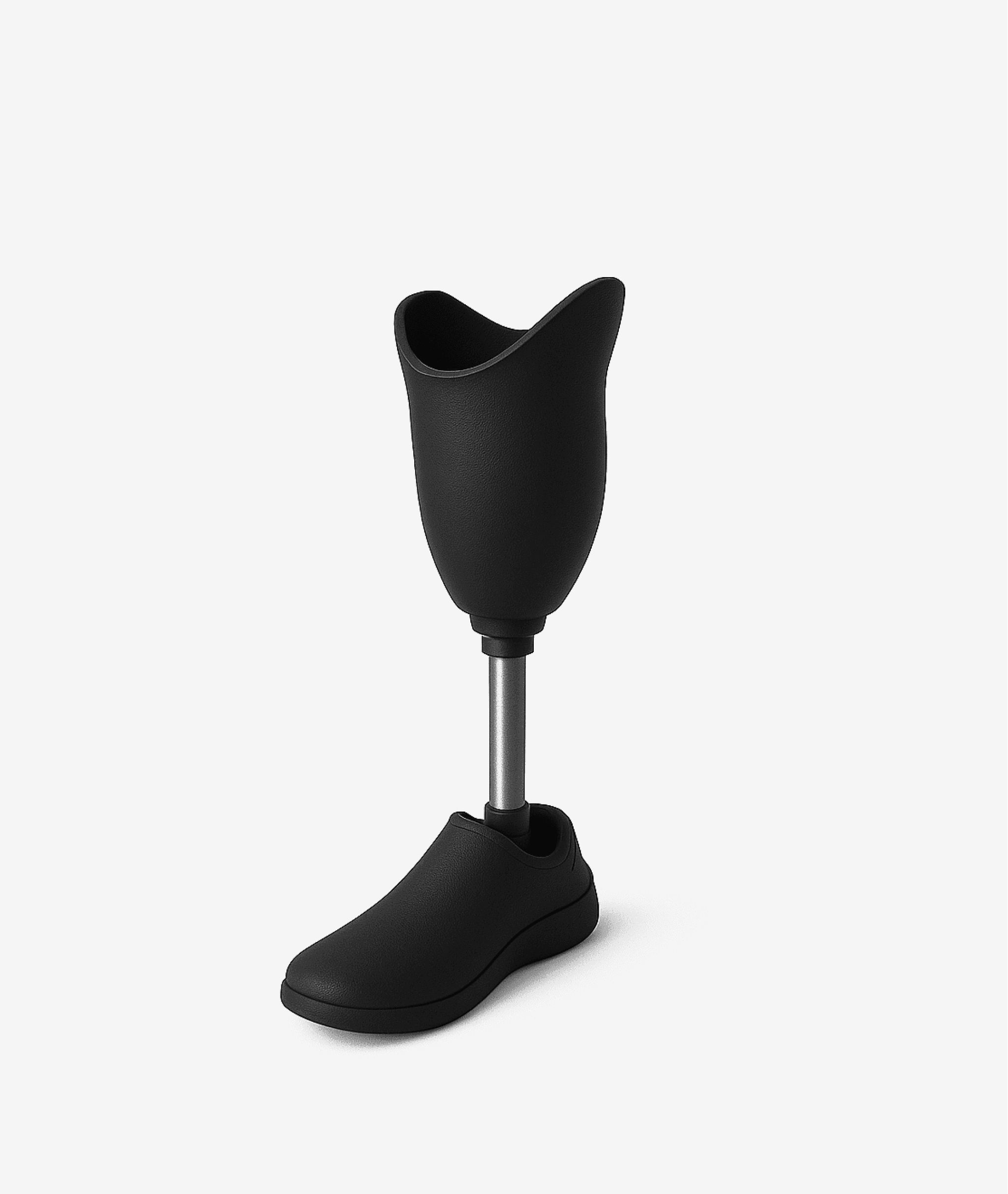
Orthoses, prosthetics, anatomical models.
Why it's worth it
Every piece fits the patient's anatomy exactly. No molds needed, ready in a day.
04
Education & R&D
Applications
Fixtures, gears, trays.
Why it's worth it
A failed prototype isn't a setback — it's the next iteration. A new one prints in an hour.
05
Aerospace
Applications
Covers, ducts, fasteners.
Why it's worth it
Lighter part, more complex geometry — and still ready overnight instead of a month on the mill.
06
Petrochemicals
Applications
Mechanisms, housings, training models.
Why it's worth it
Test the material and shape in days rather than waiting months for production tooling.
07
Shipbuilding
Applications
Supports, gaskets, small hardware.
Why it's worth it
The yard doesn't wait on a supplier — parts print right in the dock, repairs stay on schedule.
08
Instrumentation
Applications
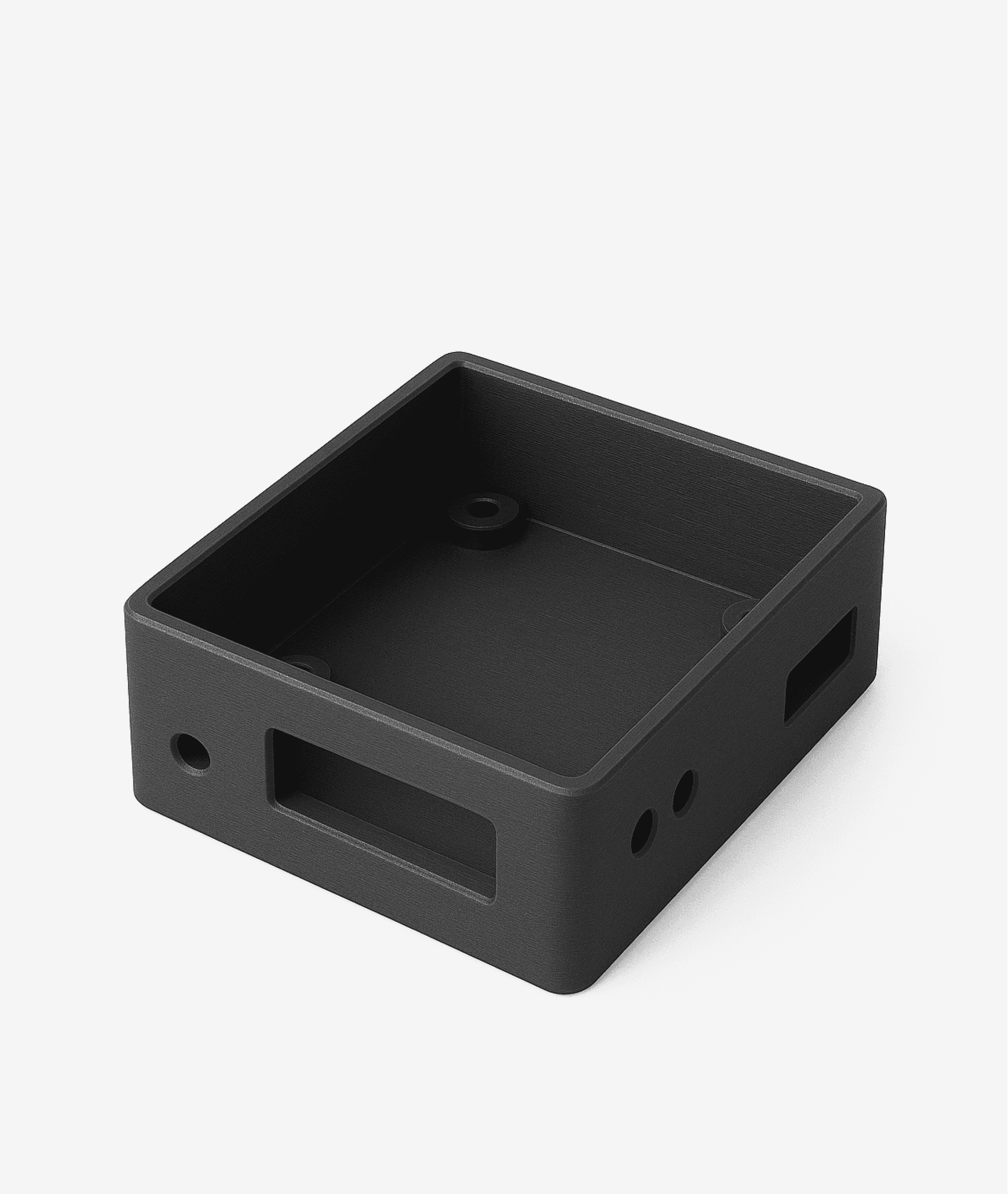
Enclosures, covers, PCB holders.
Why it's worth it
Changed the PCB layout? Reprint the enclosure. No retooling, no missed deadlines.
Don't see your industry?
Tell us what your facility produces — we'll find a solution to cut costs and speed up part production
Mechanical engineering
Applications
Jigs, gearboxes, brackets.
We print tooling and structural elements for assembly and repair: positioning jigs, gearbox housings, fixtures. This speeds up new line launches and allows quick reconfiguration of assemblies.
Why it's worth it
Tooling in hours, not weeks. Small-batch costs drop 5–10x while accuracy stays the same.
Don't see your industry?
Tell us what your facility produces — we'll find a solution to cut costs and speed up part production
We'll calculate the savingsfrom 3D printingfor your production
We'll evaluate your parts, compare with your current method, and show where 3D printing is more cost-effective.