Industrial IDEX 3D printer for serial composite parts
Two independent IDEX heads: two materials or two colors in one part.
Chamber up to 90 °C — large parts warp less.
Indicative price depends on configuration and delivery terms. Not a public offer.

Send a CAD file of the part and what you pay for it today. We will compare it with printing on Protype and calculate the printer’s payback period.
Applications
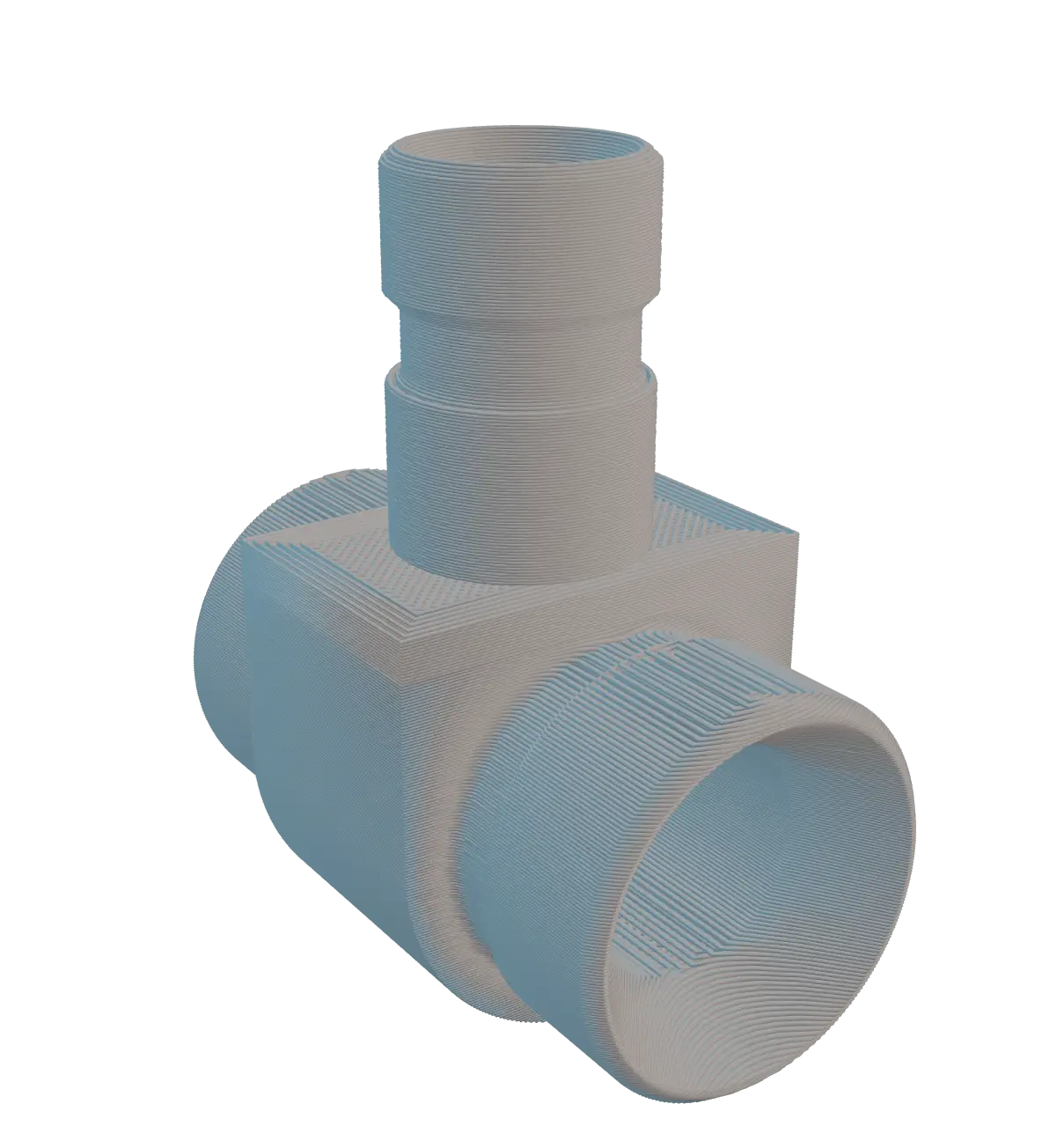
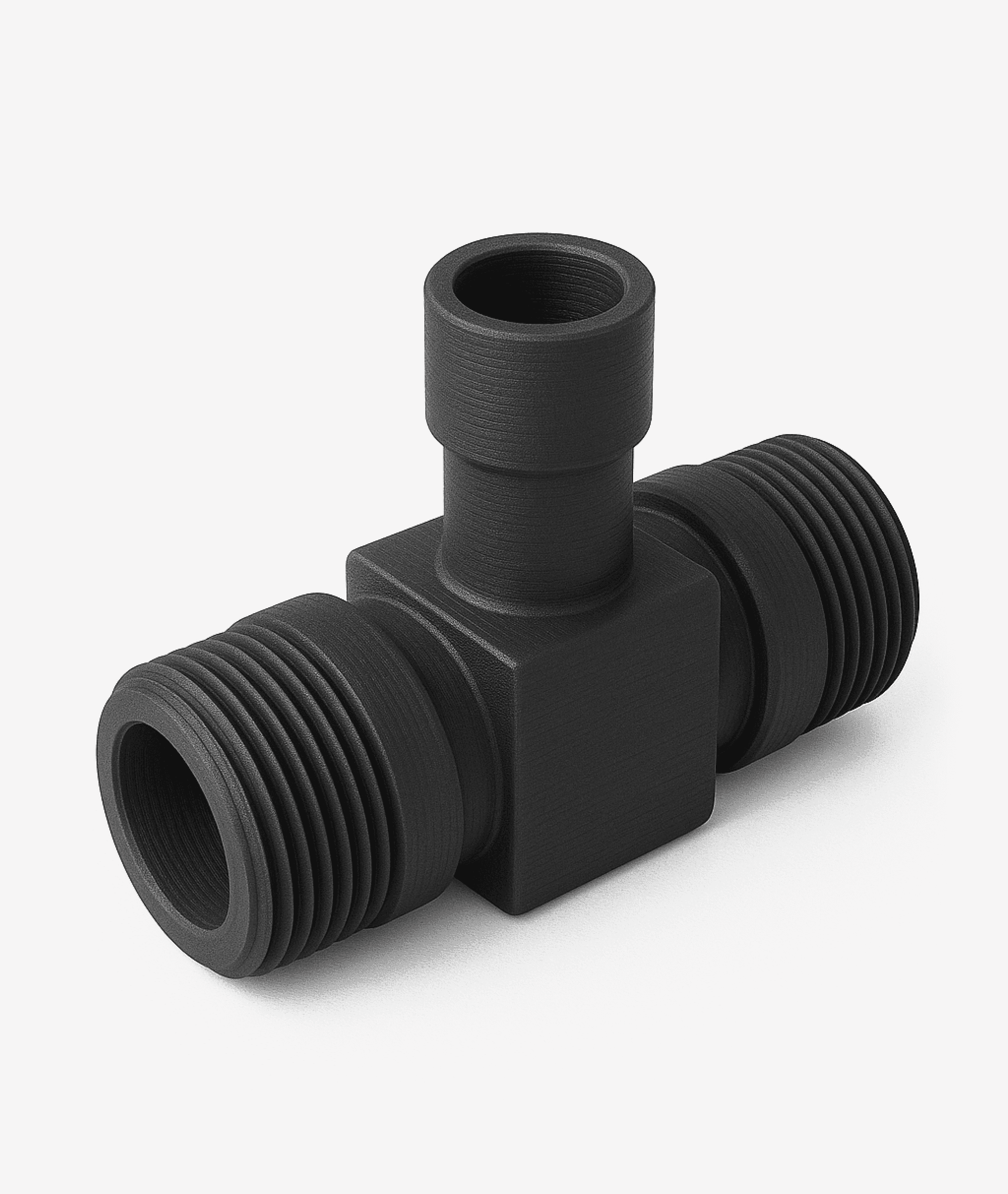
Working parts without molds or tooling.
Prototypes
Short runs
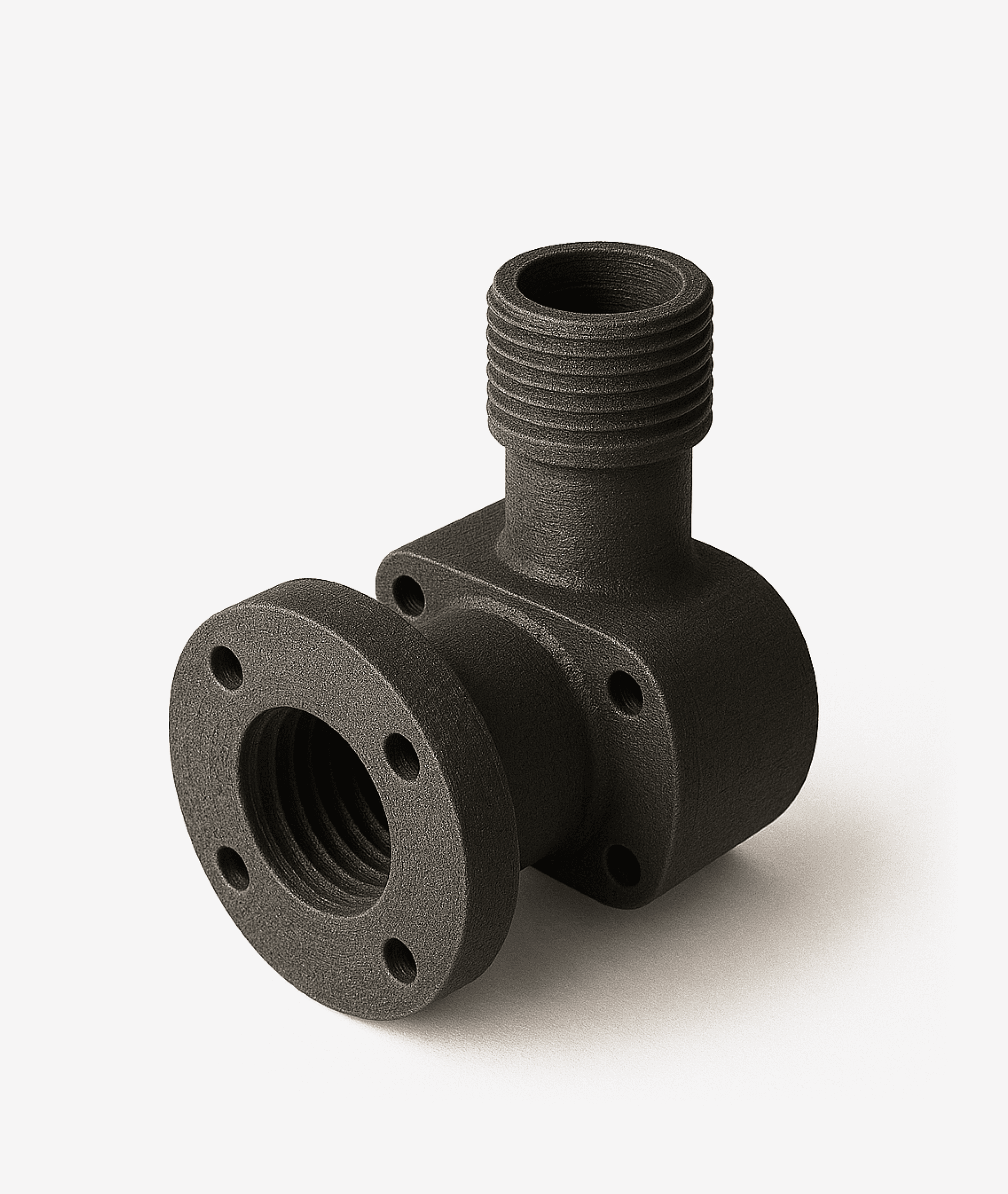
Tooling and fasteners
Housings and covers
Gears and bushings
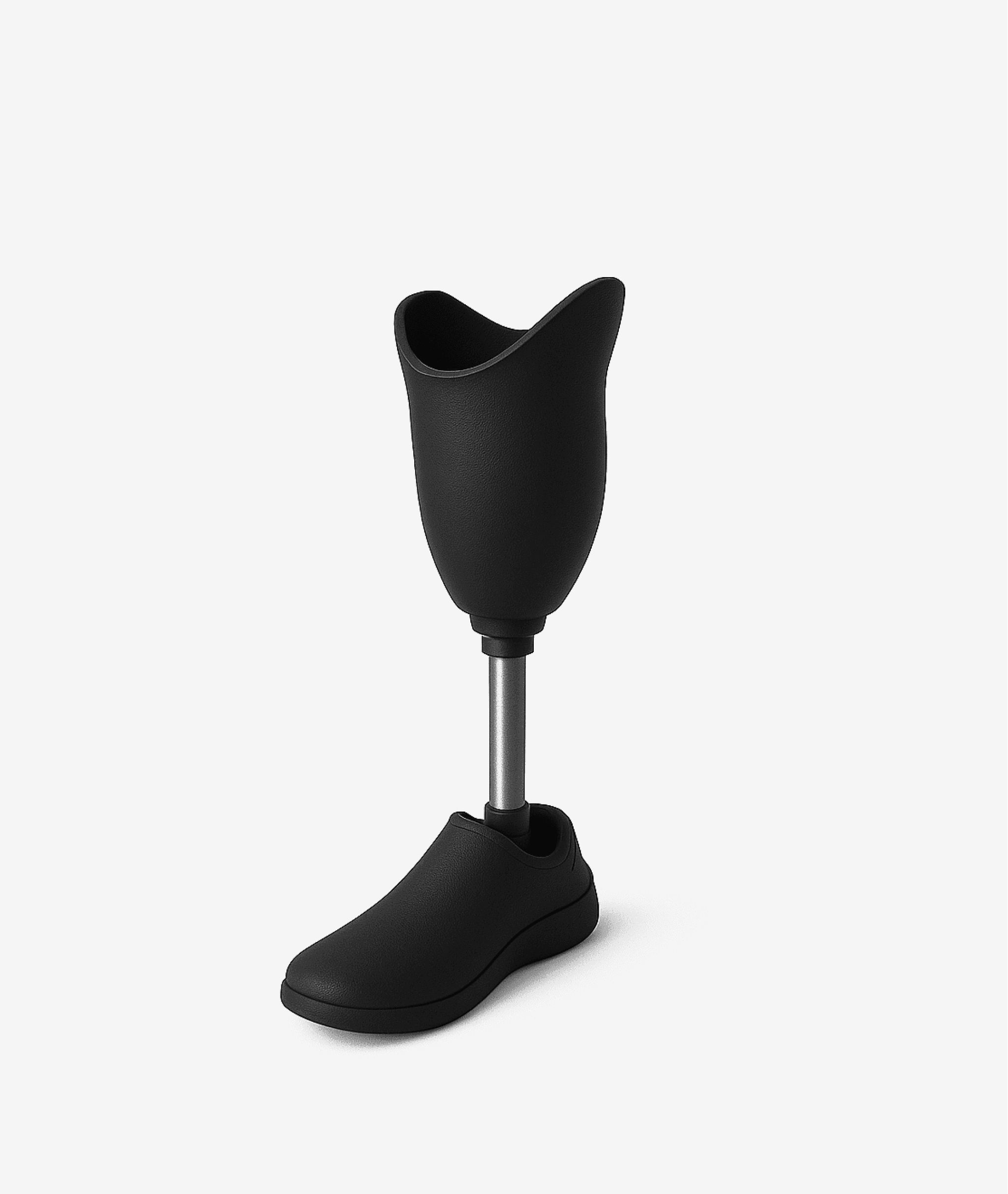
Spare parts that are no longer made
01
Two printers and a drying cabinet

Two independent IDEX heads: two materials or two colors in one part.
Chamber up to 90 °C — large parts warp less.
Indicative price depends on configuration and delivery terms. Not a public offer.

The chamber holds the temperature superpolymers need: we print PEI at 145 °C.
Two IDEX heads: the part and its support in different materials.
Indicative price depends on configuration and delivery terms. Not a public offer.

Up to 12 spools of 3 kg per load.
Drying up to 130 °C with forced ventilation.
Indicative price depends on configuration and delivery terms. Not a public offer.
Filament from any supplier, not tied to our spools.
ProtypeOS on the printer, ProtypeHub on phone and Mac, secure remote access.
We design and build the printers ourselves. Spare parts from our own warehouse, remote diagnostics and engineering support.
Prices for every model are on the site.
Engineering differences between passively enclosed printers and industrial IDEX systems
| Parameter | Passively Enclosed Printer | Protype CD400 (Engineering IDEX) | Protype CD400HT (High-Temperature IDEX) |
|---|---|---|---|
| Build chamber heating | Passive heat from the bed (45–60 °C), temperature gradient across part height | Active forced-convection chamber up to 90 °C, bed up to 150 °C | Actively heated chamber (PEI printed at 145 °C), nozzle up to 500 °C |
| Extruder kinematics | Single toolhead or two nozzles on a shared carriage (risk of nozzle drag on the part) | Two independent IDEX heads: Copy, Mirror, and soluble-support printing | Two independent IDEX heads: Copy, Mirror, and high-temperature breakaway/soluble supports |
| Supported plastics & composites | PLA, PETG, small ABS and ASA parts | ABS, ASA, PC, PC-ABS, PA6, PA12, carbon-filled PA-CF and PETG-CF, TPU | PEEK, PEI (ULTEM 9085 / 1010), PPSU plus all CD400 engineering materials |
| Large-part dimensional stability | Warping, bed detachment, and layer delamination on large PA and PC housings | Dimensional stability on jigs, fixtures, nests, and enclosures without delamination | Repeatable geometry on high-load parts for hot zones and aggressive chemicals |
| Filament drying & feeding | Open spool holder or desktop box for 1–2 spools | Onboard drying chambers + direct feed from Protype FILO cabinet (up to 12×3 kg, up to 130 °C) | Onboard drying chambers + direct feed from Protype FILO cabinet (up to 12×3 kg, up to 130 °C) |
| Material openness | Open filament or vendor-chipped spools | Open 1.75 mm system — filament from any supplier without chips or license locks | Open 1.75 mm system — filament from any supplier without chips or license locks |
| Fleet management & networking | Single-printer local web UI or consumer cloud | ProtypeOS + ProtypeHub (iOS, Android, macOS); no port forwarding or public IP needed (Secure VPN) | ProtypeOS + ProtypeHub (iOS, Android, macOS); no port forwarding or public IP needed (Secure VPN) |
We design and build industrial FDM 3D printers ourselves.
The lineup has two printers. CD400 prints engineering plastics and composites: ABS, PA-CF, PC-ABS and others. CD400HT is for high-temperature PEEK and PEI; we print PEI at a chamber temperature of 145 °C. The FILO drying cabinet connects to three printers and feeds dry filament straight to the extruder. The printers run ProtypeOS; the fleet is managed through ProtypeHub.
Two independent IDEX heads and an open material system: filament from any supplier.
02
Operating system, app and secure access
Operating system
Remote management software
Protected communication channel
03
What parts different industries print
Industries Protype printers are suited for

Applications
Jigs, gearboxes, brackets.
What it gives
Tooling is printed in the shop, without ordering from a subcontractor.

Applications
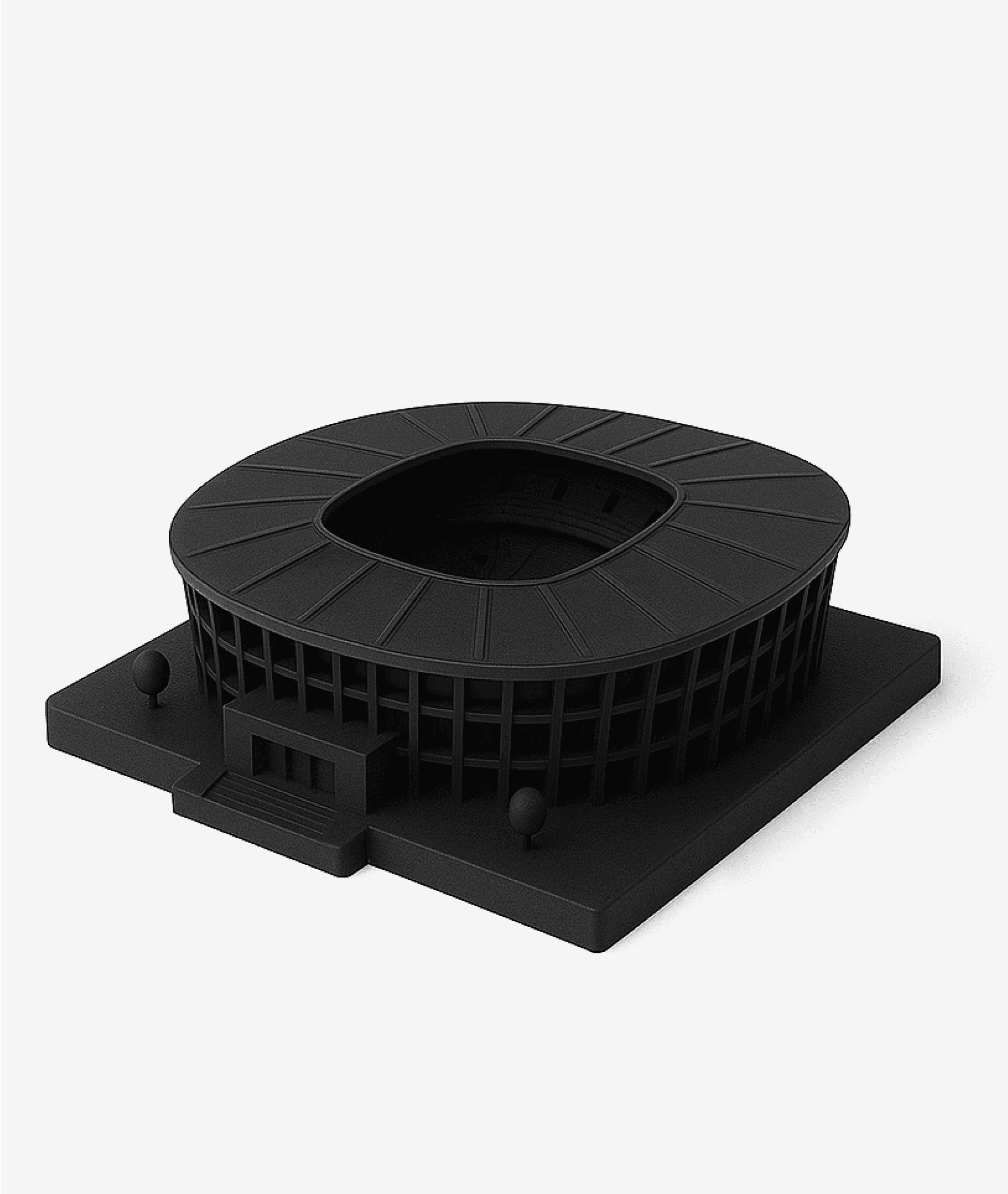
Building models, facades, landscapes.
What it gives
Clients see a physical model before ground is broken — approvals happen faster.

Applications
Fasteners, sensor housings, cable channels.
What it gives
The spare part prints on site instead of waiting for the warehouse.

Applications
Anatomical models, medical device housing prototypes.
What it gives
Models from CT and MRI data, with no molds.

Applications
Fixtures, gears, trays.
What it gives
A new prototype variant — the same day.

Applications
Covers, ducts, fasteners.
What it gives
Complex lightweight geometry without milling.

Applications
Mechanisms, housings, training models.
What it gives
Material and shape are checked before ordering production tooling.

Applications
Supports, gaskets, small hardware.
What it gives
Parts print at the shipyard instead of waiting for a supplier.

Applications
Enclosures, covers, PCB holders.
What it gives
The board changed — reprint the enclosure, no mold rework.
Don't see your industry?
Send a drawing or describe the part — we'll tell you whether 3D printing suits it.
We'll evaluate your parts, compare with your current method, and show where 3D printing is more cost-effective.
Or reach out directly
WhatsApp / Telegram is the fastest.
Response within 24 h on business days. Quote — up to 48 h.
04
Printer supply with commissioning and training, or equipment developed for your task
01
Services

How we work
02
Services

How we work
05
What people ask before buying.